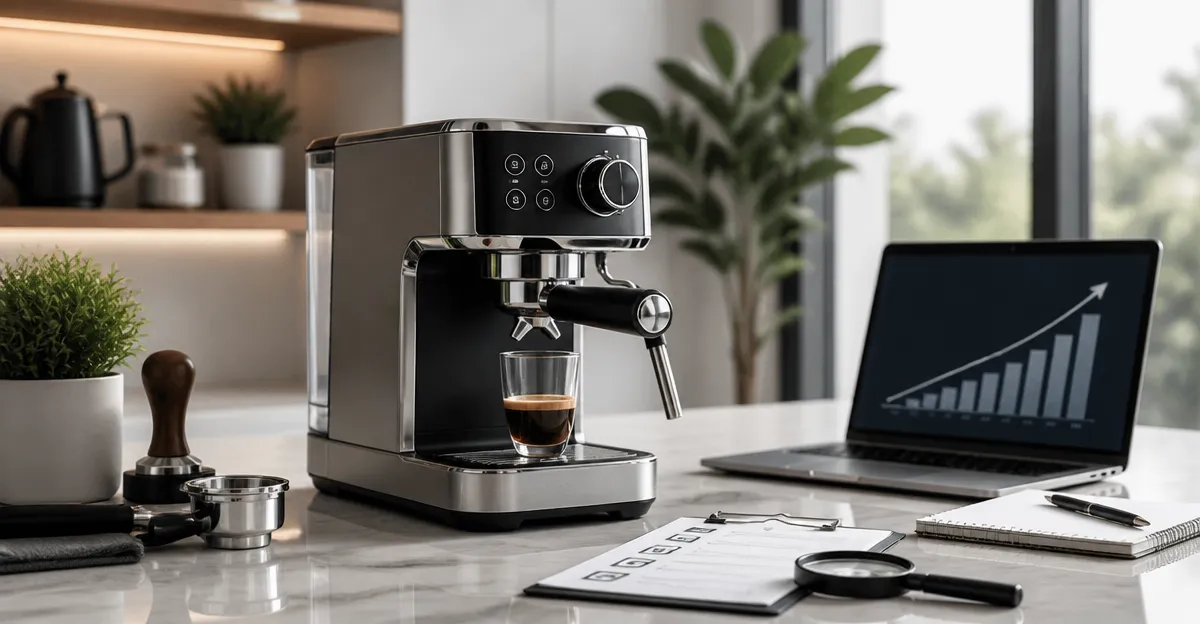
2026 Guide to Compact Espresso Machine Resale Value: How to Maximize Your Return
Introduction
Reselling a compact espresso machine can generate a substantial return if the owner understands the market dynamics and applies disciplined care. This guide explains the factors that affect resale value, outlines actionable strategies, and recommends a flagship product that exemplifies long‑term worth. Readers will learn how to preserve performance, document condition, and time their sale for optimal profit. By the end of the article, one will possess a clear roadmap to protect an investment and achieve a higher resale price.
Background and Context
The specialty coffee market has expanded dramatically, and compact espresso machines have become prized assets for home baristas. Unlike large commercial units, compact models are portable, energy‑efficient, and suited to apartments, yet they still command significant resale prices when well‑maintained. Understanding depreciation patterns requires awareness of three core concepts: initial cost amortisation, technological obsolescence, and consumer perception of condition. In addition, the rise of online marketplaces and dedicated coffee forums has created transparent pricing data that can be leveraged by sellers.
Key Concepts and Strategies
1. Assessing Depreciation Drivers
Depreciation is not linear; it accelerates during the first two years and then stabilises as the machine reaches a mature age. Primary drivers include wear on the grinder burrs, water‑tank scaling, and the presence of original accessories. A machine that retains its original packaging, manuals, and accessories will typically lose only 10‑15 % of its value per year, compared with 20‑30 % for units missing these items.
2. Maintaining Peak Performance
Regular cleaning and descaling extend the lifespan of the boiler and preserve the flavour integrity of brewed coffee. Use a food‑grade descaling solution every three months, and run a cleaning cycle after each use of the steam wand. Document each maintenance event with dated photos; a well‑recorded service history reassures potential buyers of diligent care.
3. Timing the Market
Demand spikes during holiday seasons, particularly in November and December, when consumers purchase gifts for coffee enthusiasts. Additionally, the launch of new models often creates a secondary market for previous‑generation machines at slightly reduced prices. Sellers should therefore list their machines either shortly before a major product release or during peak gifting periods to capture heightened buyer interest.
4. Leveraging Product Reputation
A machine with a strong brand reputation and high user ratings retains value better than obscure alternatives. The Breville Barista Express exemplifies this principle; its 4.5‑star rating from over 27,000 reviews signals reliability and performance, which translates into a higher resale ceiling.
5. Enhancing Perceived Value with Accessories
Including original accessories—such as the stainless‑steel portafilter, tamper, and milk jug—adds tangible value. If possible, bundle the machine with a set of high‑quality coffee beans or a grinder cleaning kit; these add‑ons can increase the asking price by up to 5 % without significant additional cost.
Comparison and Selection Guide
When choosing a compact espresso machine for resale potential, evaluate the following criteria:
- Build Quality: Stainless‑steel bodies resist dents and corrosion, preserving aesthetic appeal.
- Integrated Grinder: Machines with built‑in conical burr grinders, such as the Breville Barista Express, avoid the need for a separate grinder, simplifying the resale package.
- Water Capacity: A larger water tank reduces refill frequency, a feature valued by both users and resellers.
- Temperature Control: Digital PID temperature control ensures consistent extraction, a selling point highlighted in product listings.
- Warranty Transferability: Units that allow warranty extensions to new owners provide additional confidence and can justify a premium price.
Based on these factors, the Breville Barista Express stands out as a top‑tier choice. Its brushed stainless‑steel construction, 67 oz water tank, 1600 W power, and 1‑year limited warranty combine durability with performance. The integrated precision conical burr grinder offers dose control that appeals to both novice and experienced baristas, reinforcing its resale attractiveness.
Best Practices & Tips for Maximising Return
- Perform a thorough deep clean before listing, focusing on the grinder burrs, steam wand, and water reservoir.
- Capture high‑resolution images from multiple angles; include close‑ups of the control panel, grinder dial, and any wear spots.
- Provide the original receipt or proof of purchase; this validates the machine’s age and authenticity.
- Set a realistic price range based on recent eBay and Amazon Marketplace sales; typically, a well‑maintained unit sells for 70‑85 % of its original retail price.
- Offer a short‑term return policy to reduce buyer hesitation and increase conversion rates.
Frequently Asked Questions
- How long does a compact espresso machine retain value?
- On average, a machine retains 60‑70 % of its original price after three years if it is well‑maintained and includes all accessories.
- Is it worth repairing minor cosmetic damage before resale?
- Yes; minor dents or scratches can be polished or covered with a protective sleeve, and the cost is often recouped through a higher selling price.
- Do warranty transfers increase resale value?
- Transferring the remaining warranty to the new owner can add up to 5 % to the asking price, especially for premium brands.
- What is the optimal listing platform?
- Specialty coffee forums, dedicated appliance resale groups, and mainstream marketplaces such as eBay or Amazon Marketplace all perform well; choose the platform that aligns with your target buyer demographic.
- How frequently should I descale the machine?
- Descale every three months for regular use, or after every 30‑40 brew cycles if the water hardness is high.
Conclusion
Maximising the resale value of a compact espresso machine requires a blend of diligent maintenance, strategic timing, and clear documentation. By selecting a reputable model such as the Breville Barista Express, preserving original accessories, and presenting the machine with professional imagery and a transparent service record, one can achieve a return that approaches the original purchase price. Implement the outlined best practices, monitor market trends, and leverage the product’s strong brand equity to secure the highest possible resale outcome.
Products Featured in This Guide
Breville Barista Express
Price: $669.67
Rating: 4.5/5.0 (27,725 reviews)
Why featured: The machine combines a built‑in conical burr grinder, digital PID temperature control, and a brushed stainless‑steel body, making it a durable, high‑performance choice that retains strong resale value.